A Silent Vigil
In the Heart of the “Carpathian Delta”
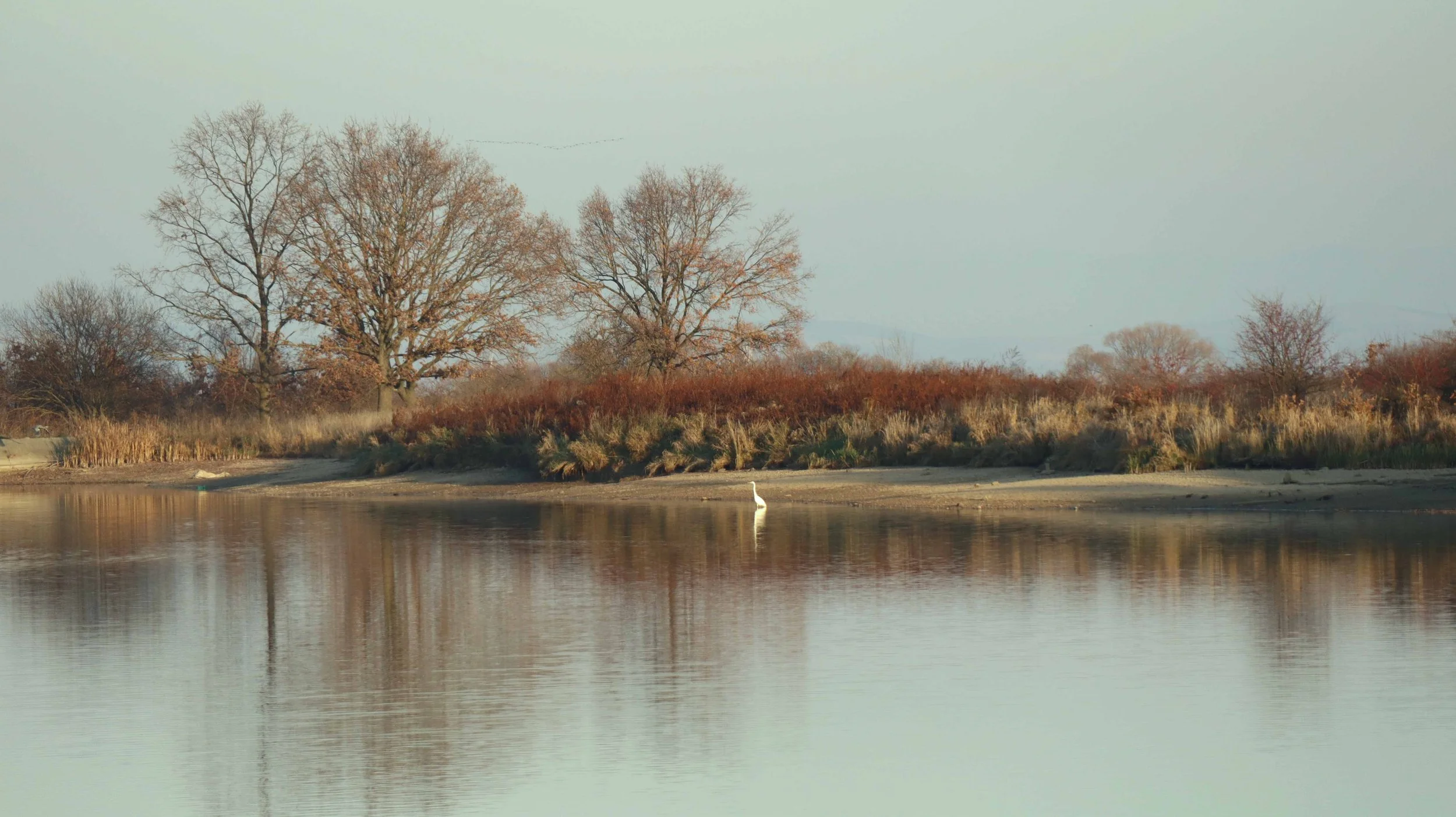
Dumbrăvița Natural Reserve
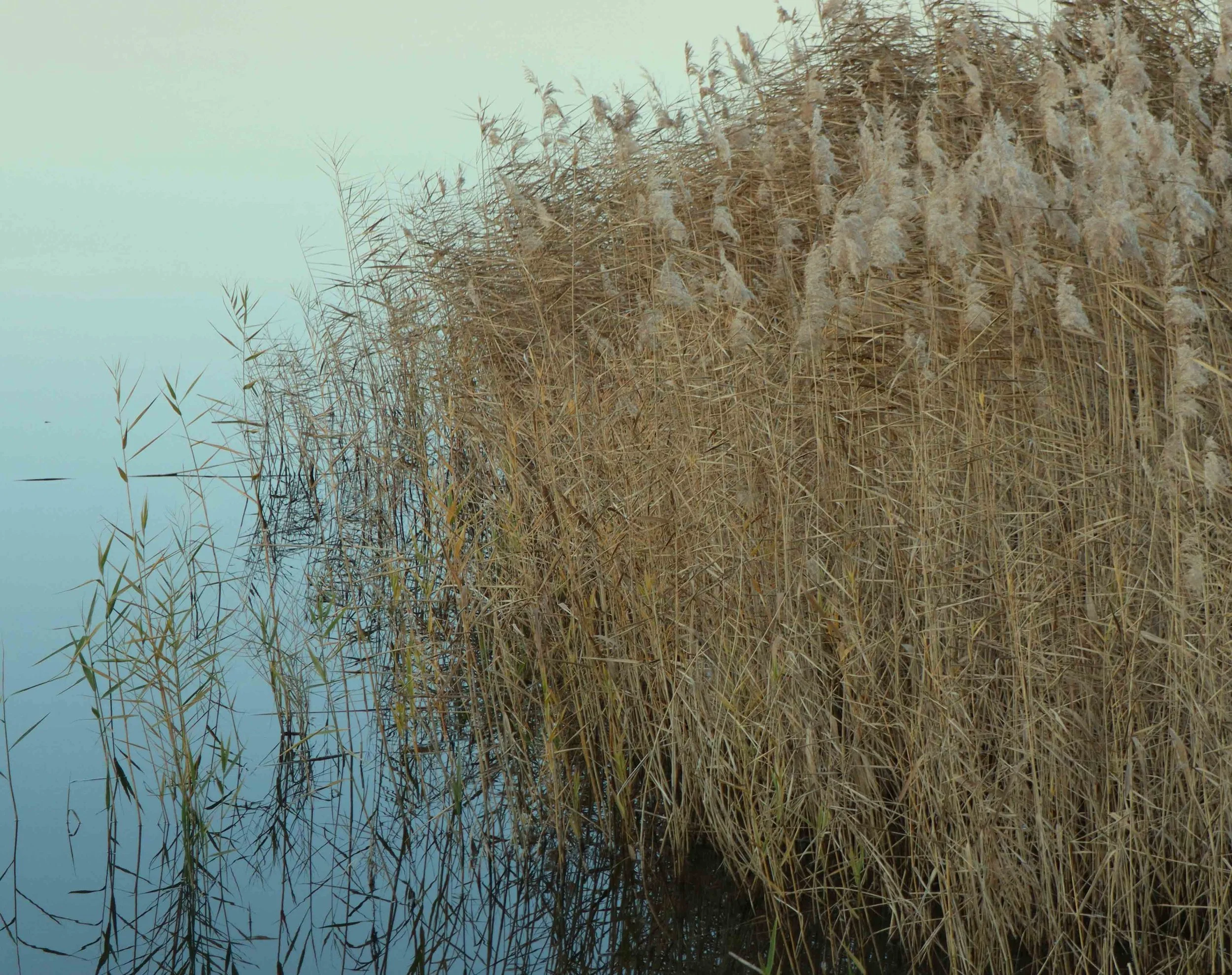
The "Delta of the Carpathians" is a place of stark contrasts and shifting moods. To go there is to submit to the rhythm of the wetlands: a vast expanse of over 400 hectares where the Olt river’s influence creates a labyrinth of reed beds, hidden pools, and skeletal remains of ancient vegetation.
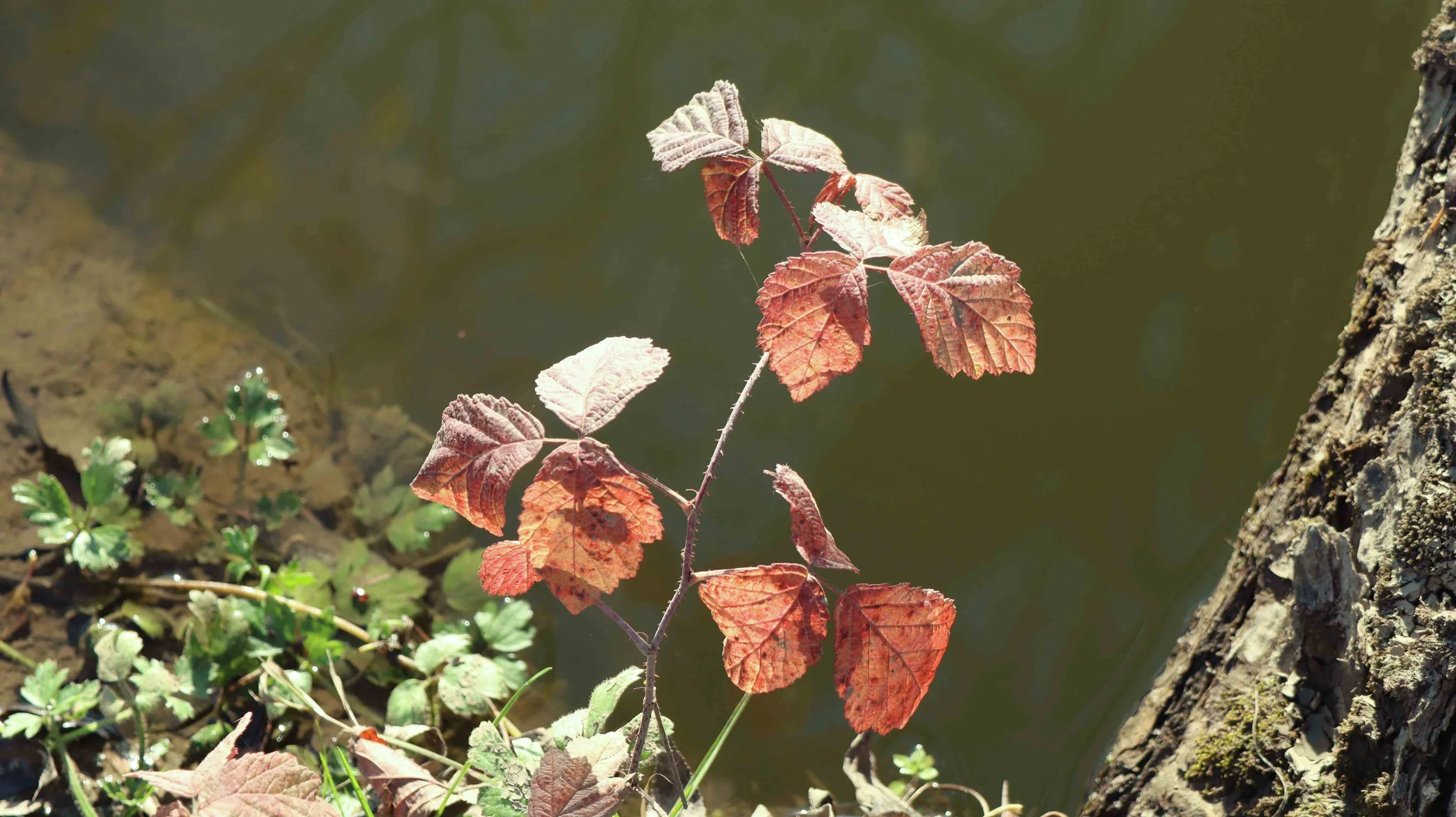
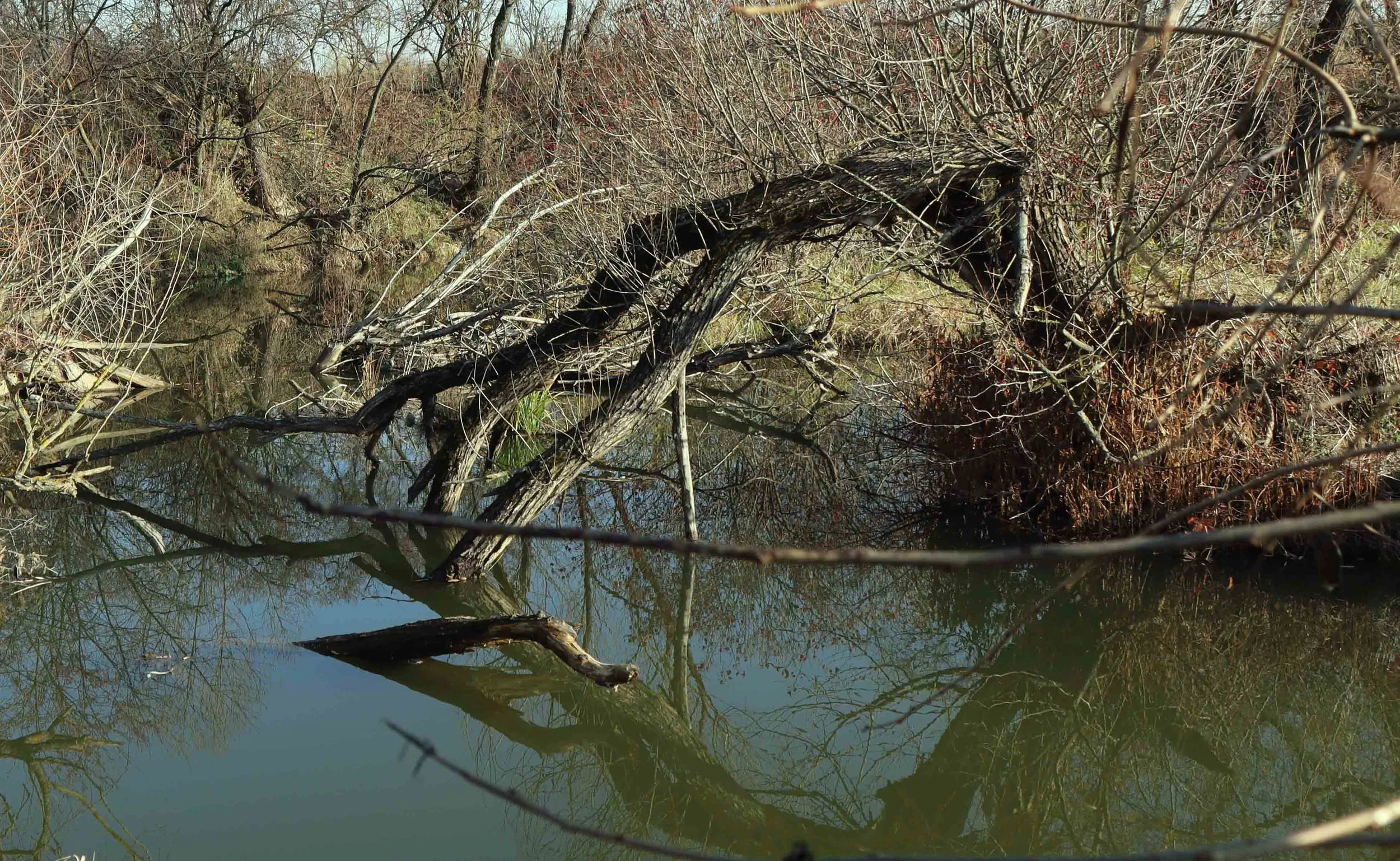
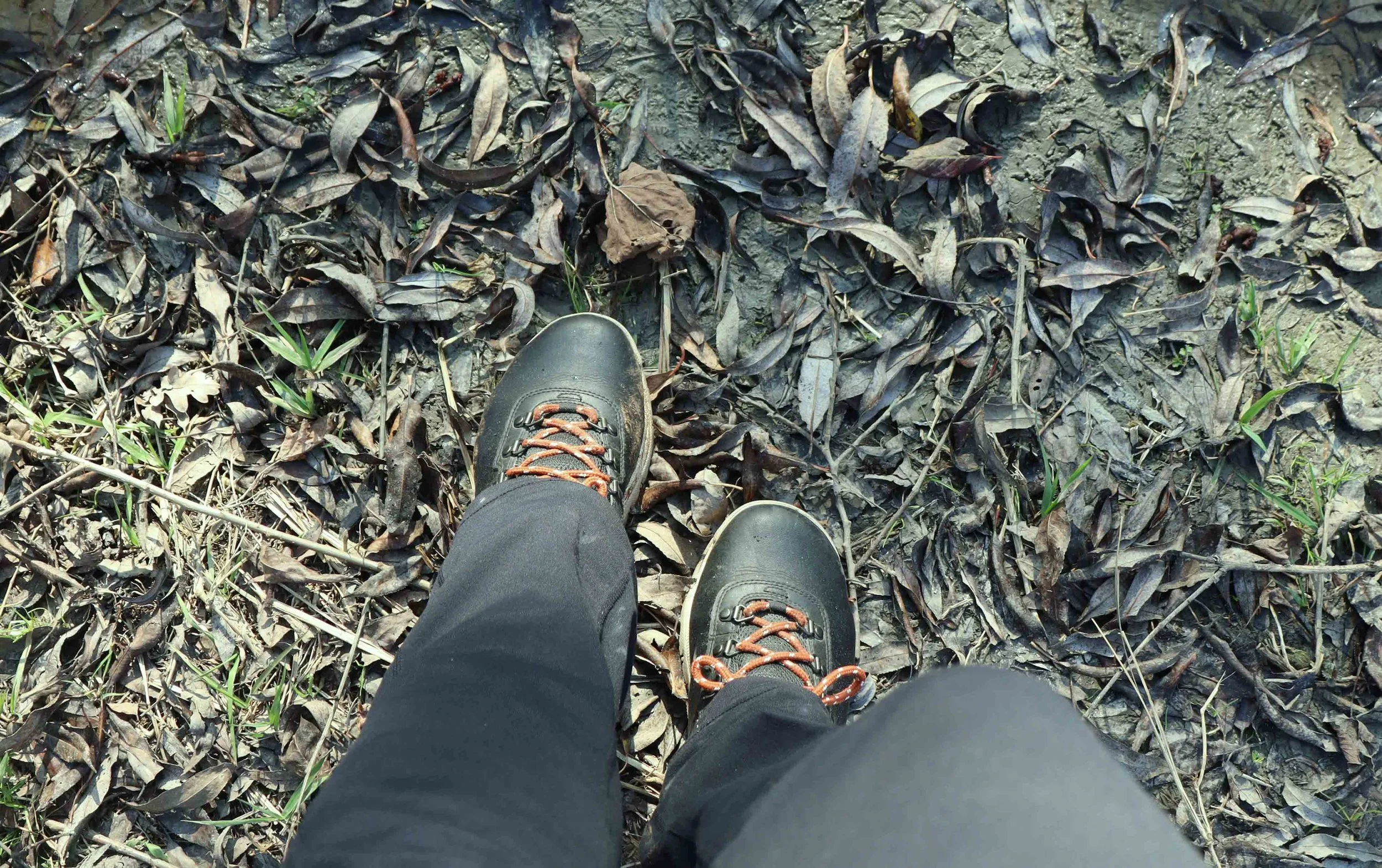
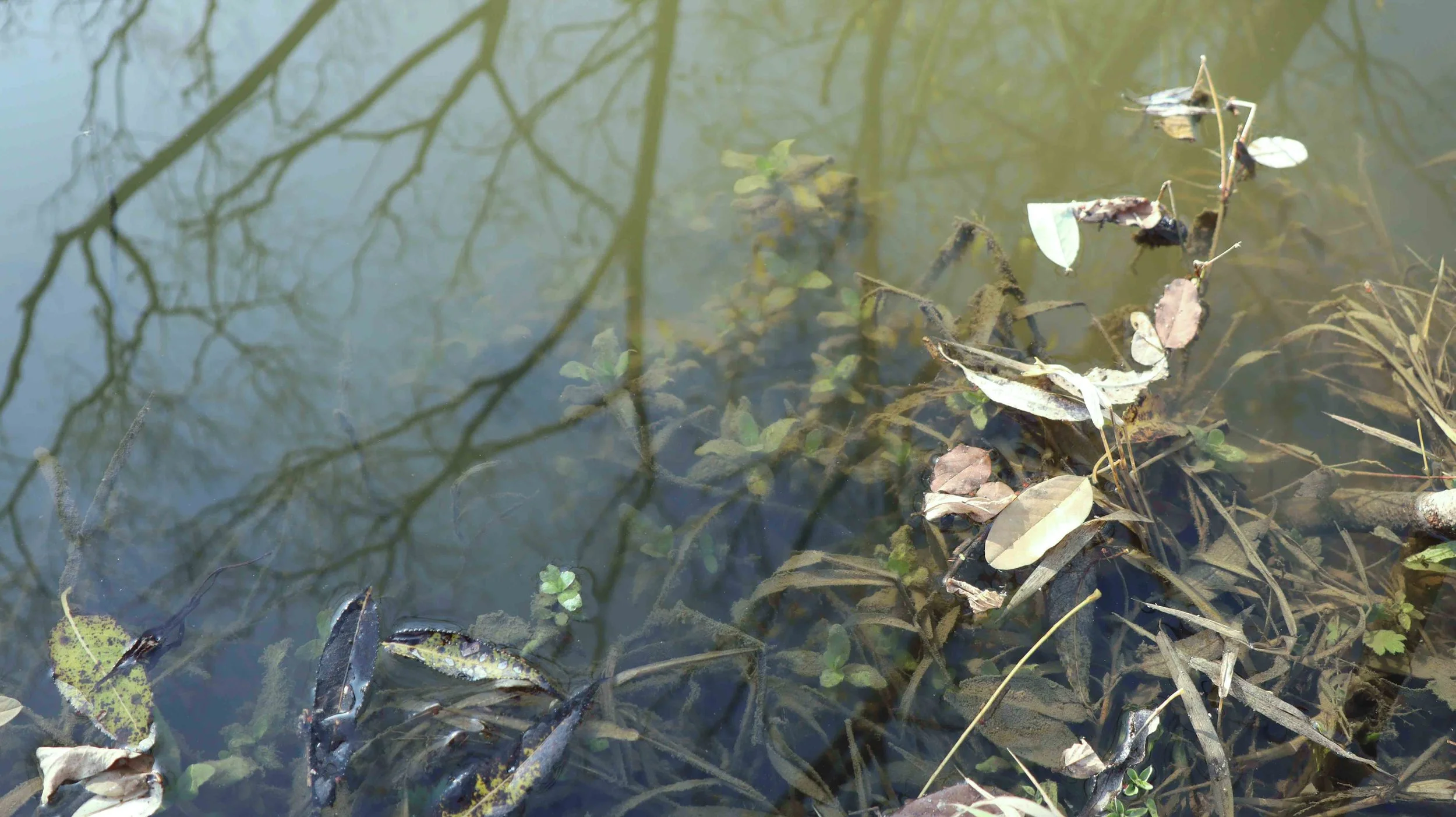
My exploration began in the unforgiving light of noon. At midday, the wetlands offer no place to hide. The sun flattens the landscape, turning the water into a silver blade and the reeds into a dry, golden wall. It is a time of observation rather than action; I spent these hours as a ghost among the debris, studying the way the light catches the rough textures of salt-bleached wood and the sharp, unyielding silhouette of the night heron.
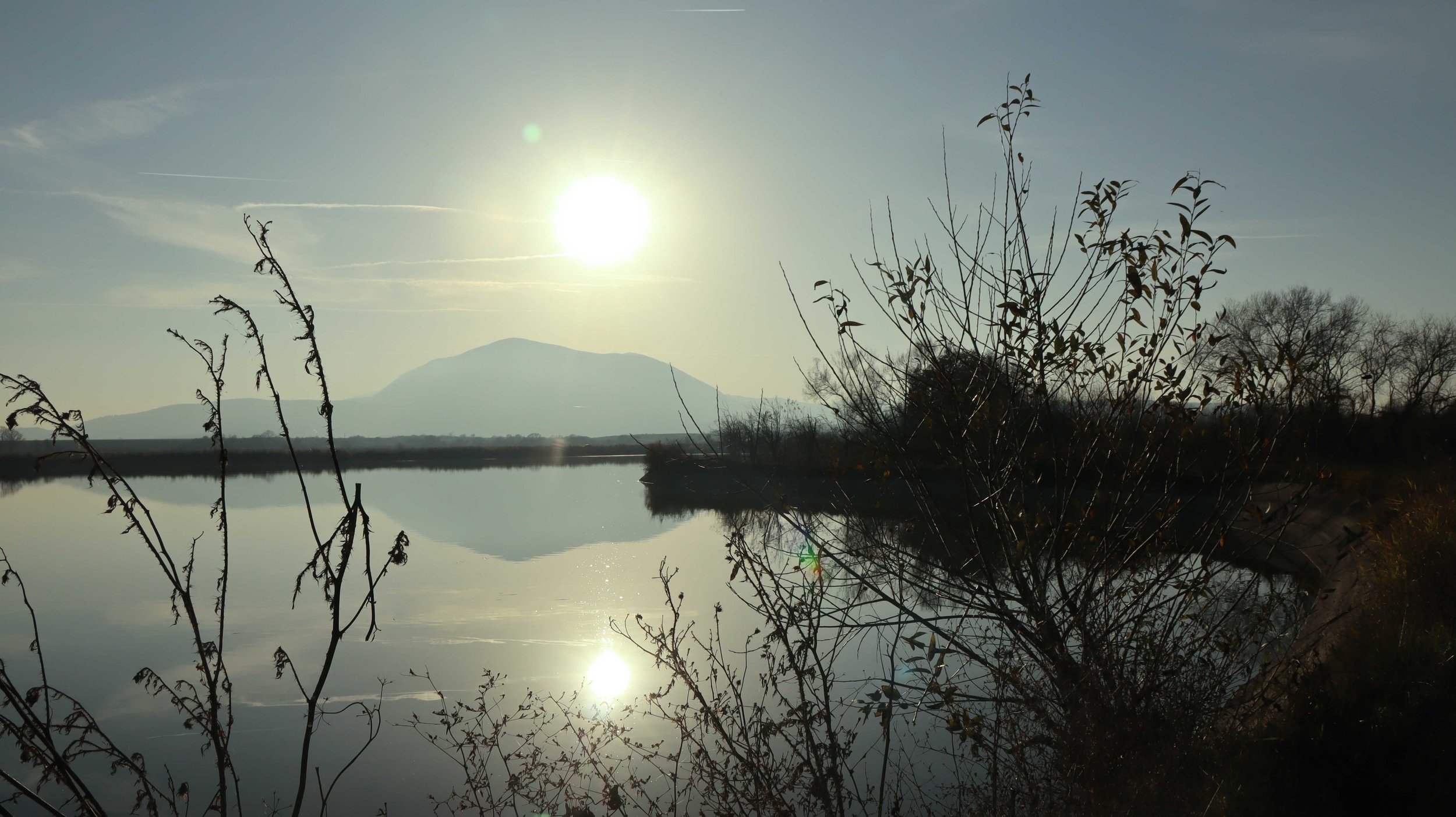
“Carpathians Delta”
As the day pivoted toward sunset, the mystery deepened. In Transylvania, the autumn twilight does not just fade; it transforms. The sky becomes a heavy vault of cold ambers and bruised purples, casting long, distorted shadows across the "unpainted" water of my canvas. It was in this transition, the hour of the "night raven"- that the heron’s true nature emerged.
Presence in the Grey: The Night Heron
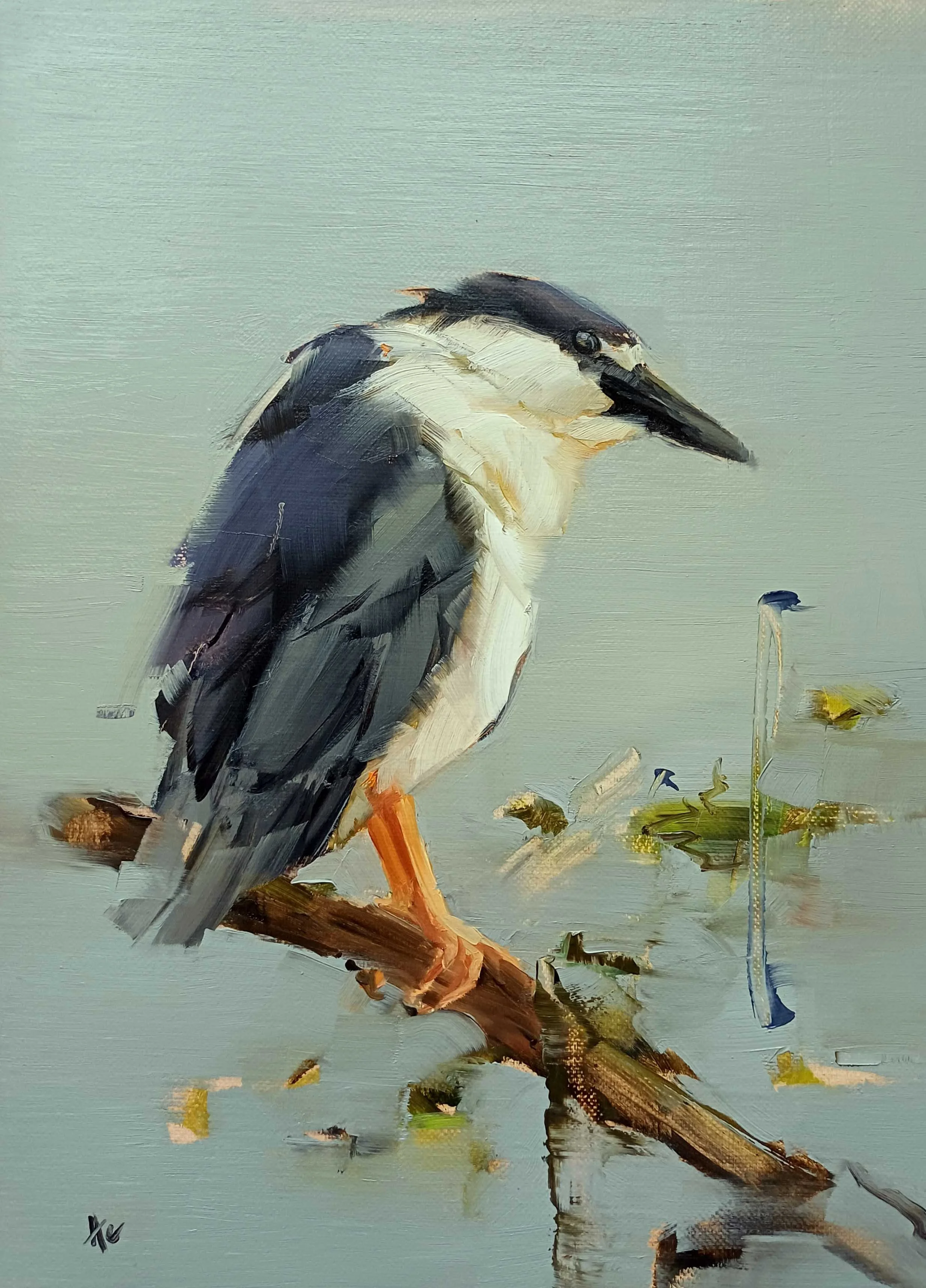
The "Delta of the Carpathians" is not a place of clear outlines, but one of shifting shadows and raw survival. In this hidden Transylvanian pocket, the Black-crowned Night Heron is a silent observer on the brink of its autumn departure.
To capture this encounter, I stripped the scene of its distractions. The background is a dense, grey-greenish void, a deliberate choice to isolate the bird’s stillness.
There is no painted water; the surface is merely a suggestion, an unsaid truth beneath the heron's feet.
Executed alla prima, the work is a record of immediate, decisive strokes. I relied on a restricted palette: paynes gray, ultramarine and warm tones to construct the bird’s form, punctuated by sharp traces of green-yellow to ground the figure among the decaying wood and skeletal remains of the marsh.
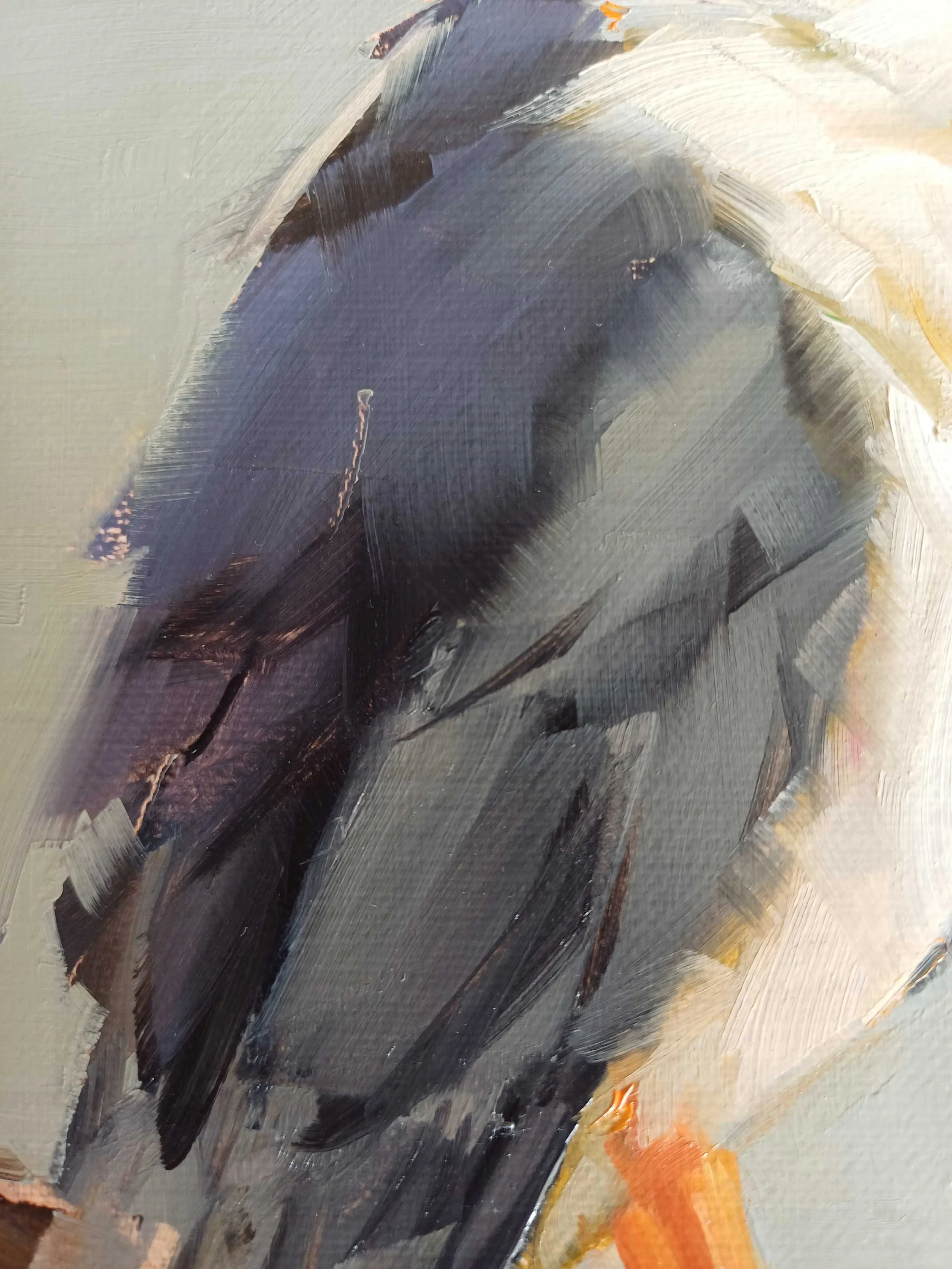
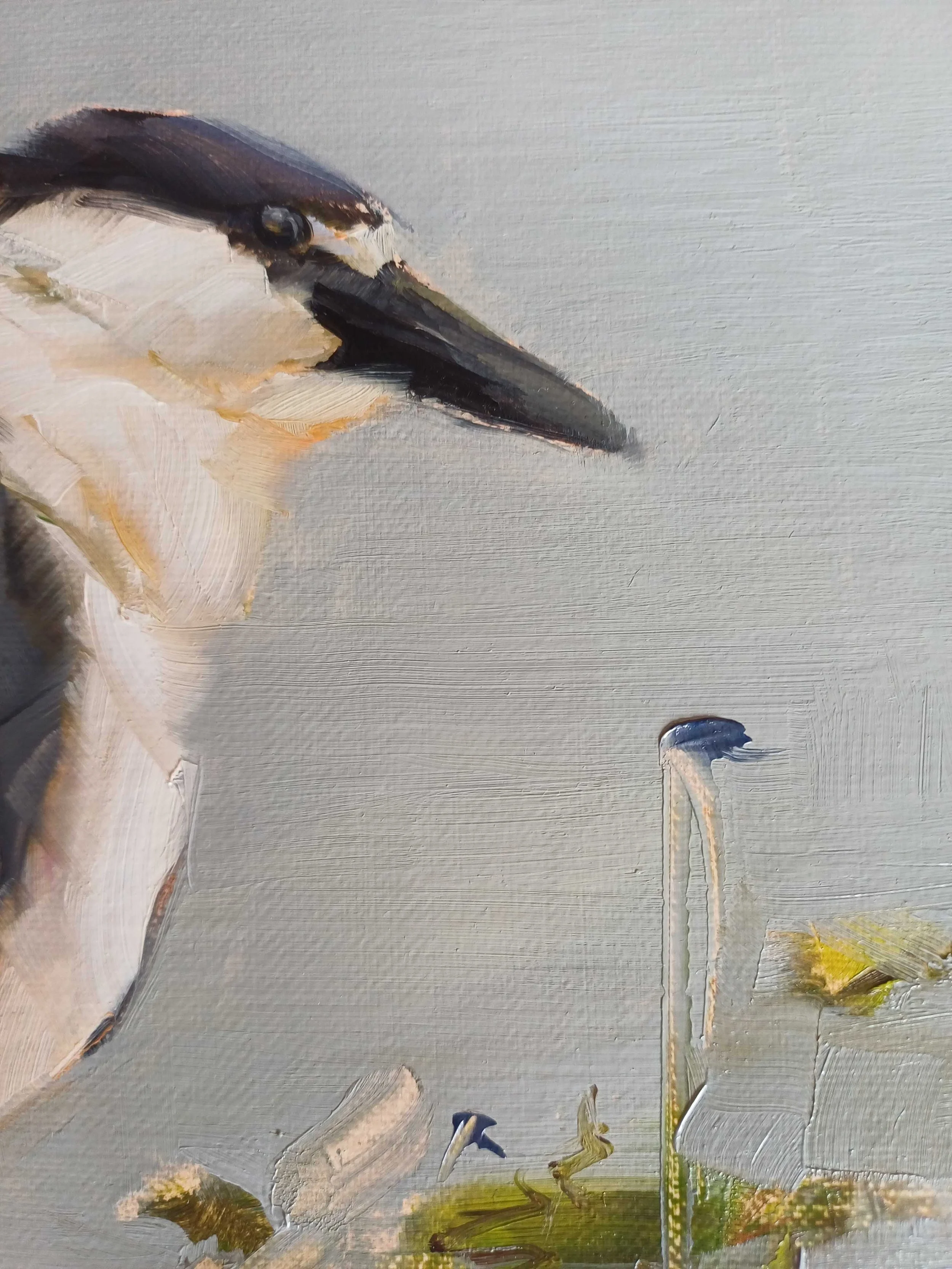
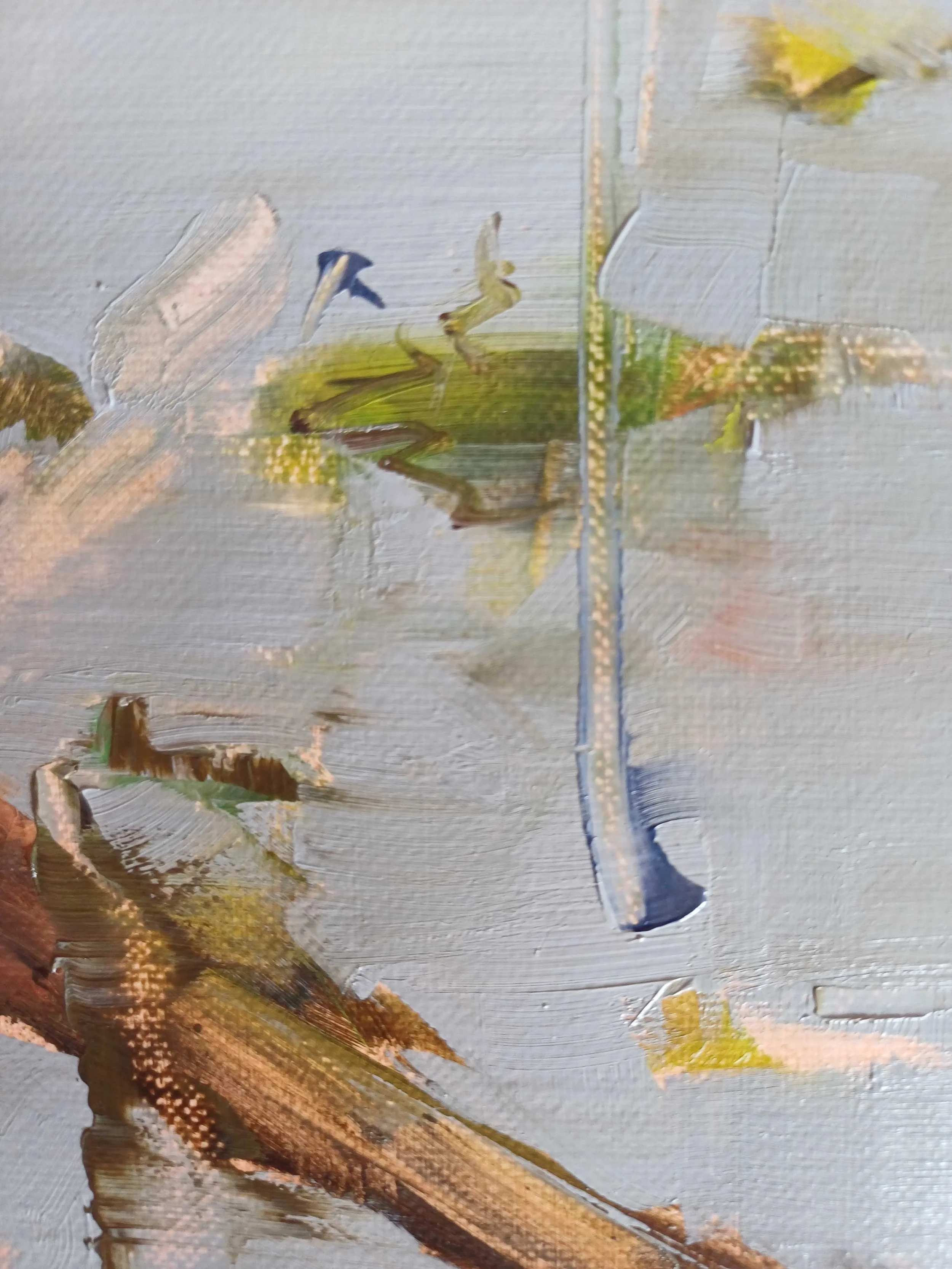
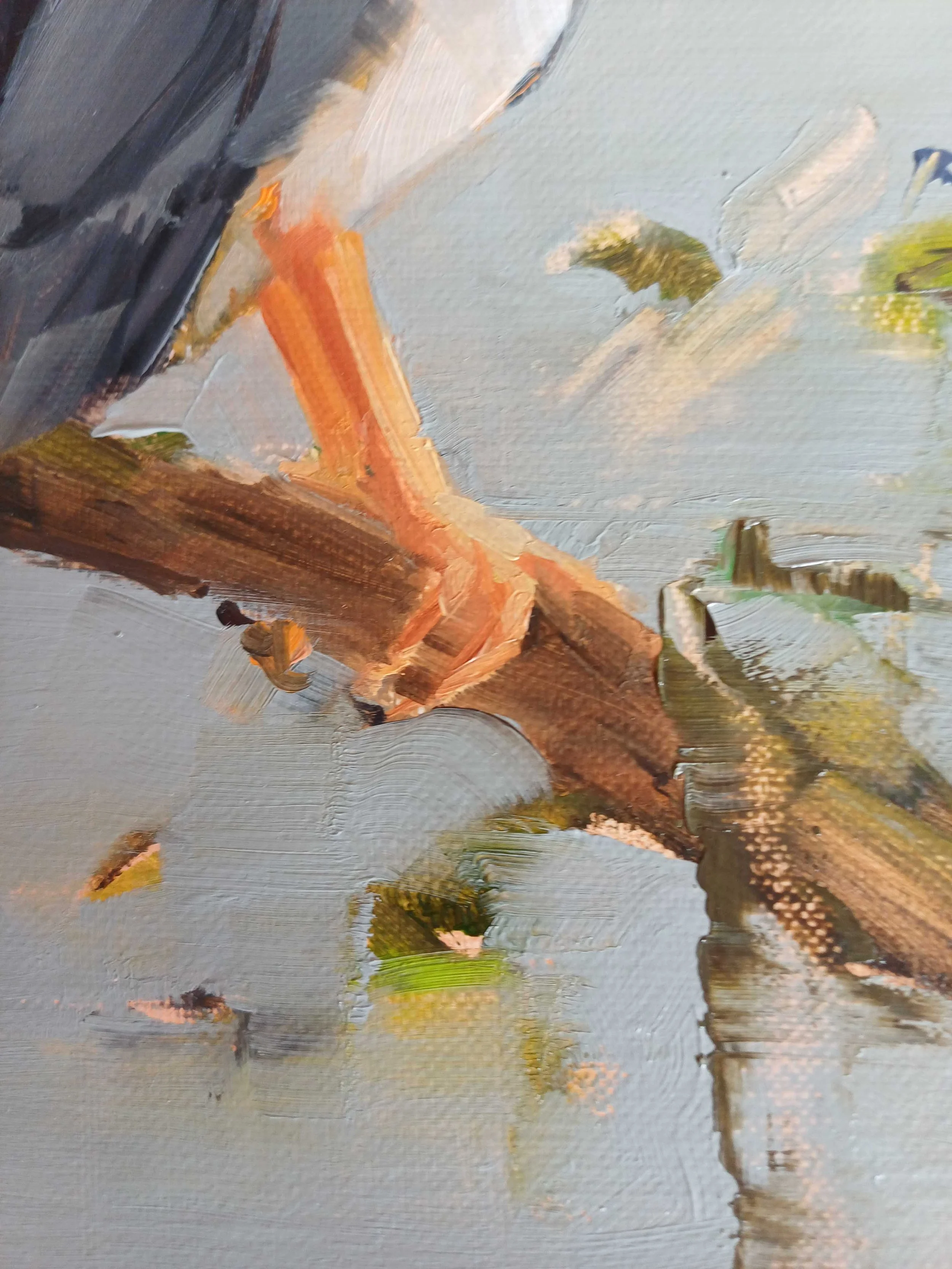
The composition remains intentionally raw, much like the wilderness it portrays. By leaving much of the environment to the imagination, I aimed to preserve the mystery of that moment: where the only thing certain is the bird’s gaze and the weight of the coming migration.
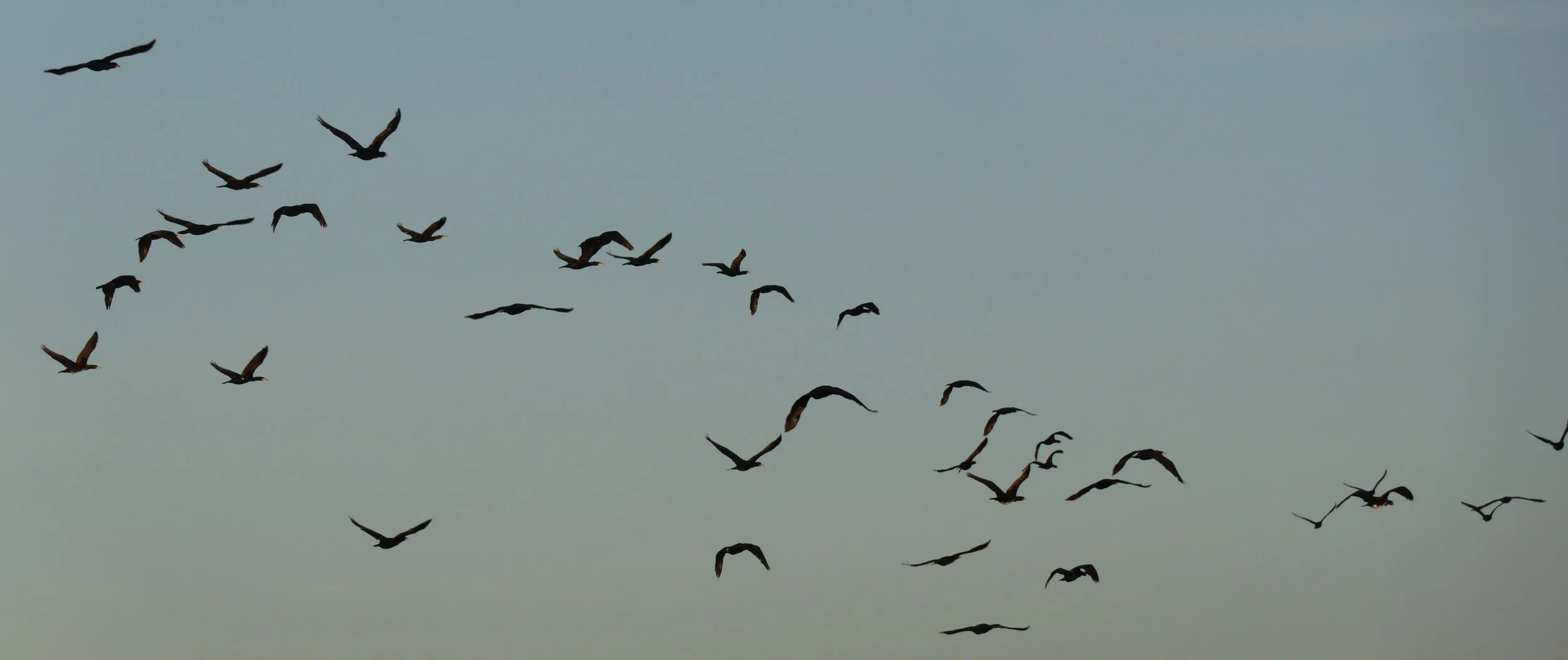
Standing motionless, the bird became an extension of the landscape’s own silence. As an observer, I felt the weight of its impending journey to Africa, a migration written in its very stillness. There is a technical challenge in capturing this: the way the cooling atmosphere shifts the greens toward grey and how the last low rays of light define a form without revealing its secrets.
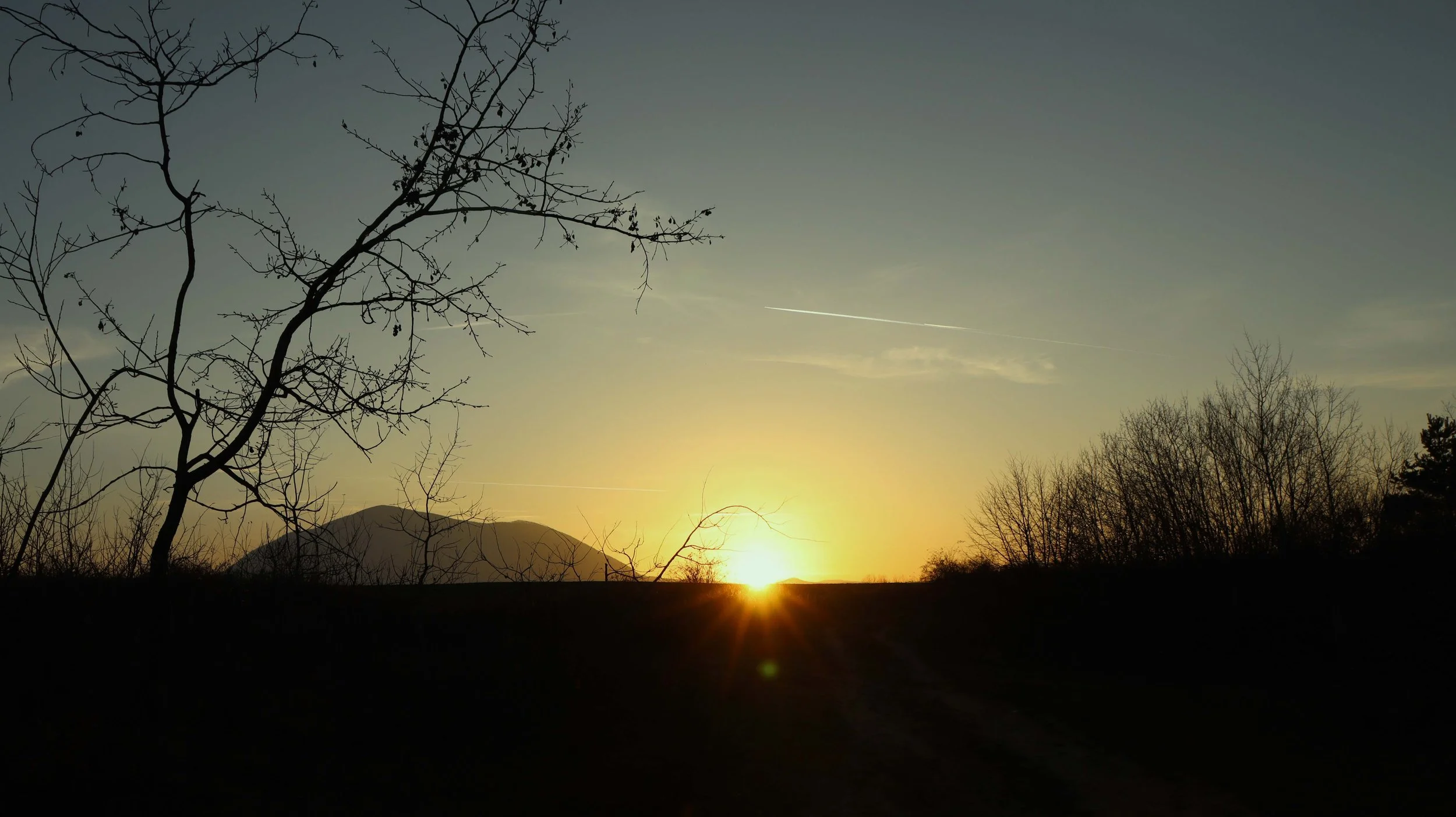
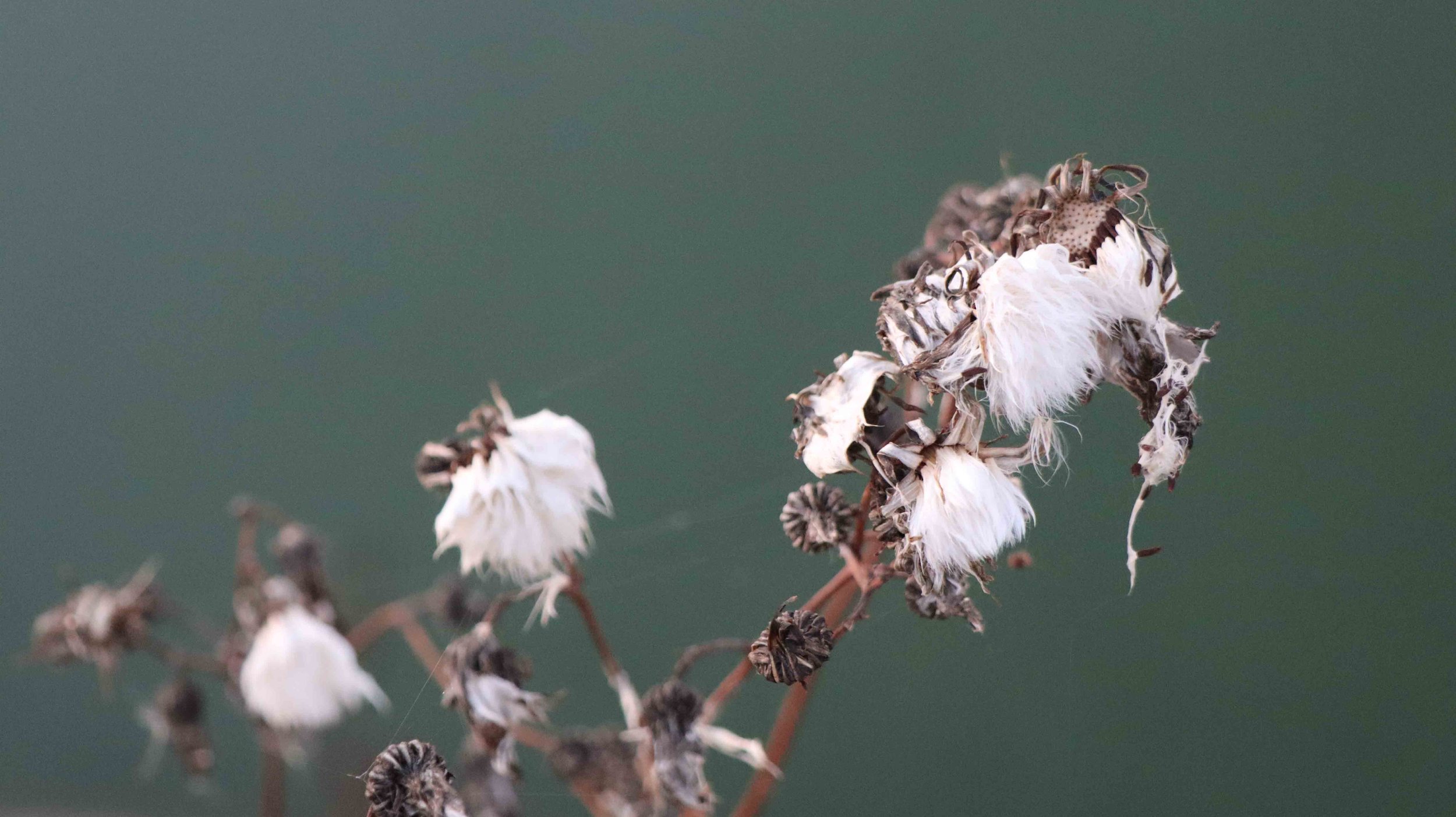
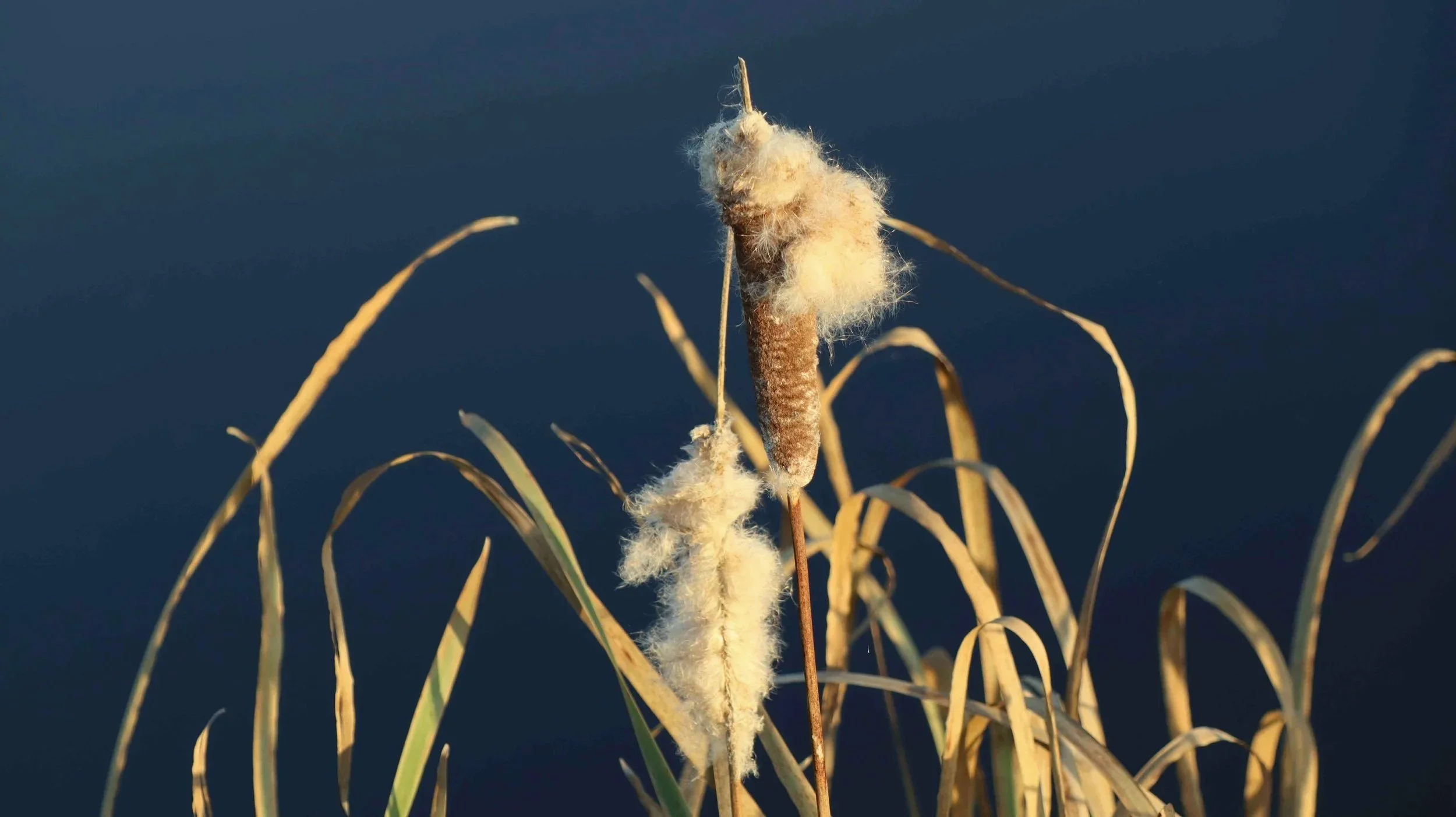
I chose not to paint the sunset's fire, but its consequence: the encroaching dark, the cold greys of the water, and the solitary, prehistoric presence of a creature that belongs to the wild, untouched fringes of our world.
The wild does not explain itself.
It simply exists.